


What Are the Early Symptoms of a Brain Tumor? The early warning signs of a brain tumor commonly include new or changing headaches, unexplained nausea, vision issues, progressive numbness or weakness on one side of the body, and balance difficulties. These symptoms are caused by increased intracranial pressure or direct pressure on functional lobes of the brain. While many of these symptoms can be caused by benign conditions, progressive or severe onset warrants prompt evaluation by a neurosurgery expert. Early detection is key for planning effective treatment regimens. When Should You Consult a Neurosurgeon for Brain Symptoms? You should consult a neurosurgeon immediately if you experience sudden and severe headaches, seizures, rapid cognitive or personality shifts, sudden loss of vision, or progressive muscle weakness. A specialist consultation facilitates advanced diagnostic imaging and precise treatment planning. A neurosurgeon can help interpret MRI or CT brain scans, differentiate between benign and malignant lesions, and advise on surgical interventions or observational strategies to safeguard brain function. Critical Neurological Signs to Monitor Changes in Headache Patterns: Headaches that wake you up, are worse in the morning, or worsen with coughing. Unexplained Seizures: The sudden onset of seizures in an adult with no history of epilepsy. Sensory and Motor Deficits: Subtle loss of coordination, difficulty speaking, or weakness in limbs.
What Are the Early Symptoms of a Brain Tumor?
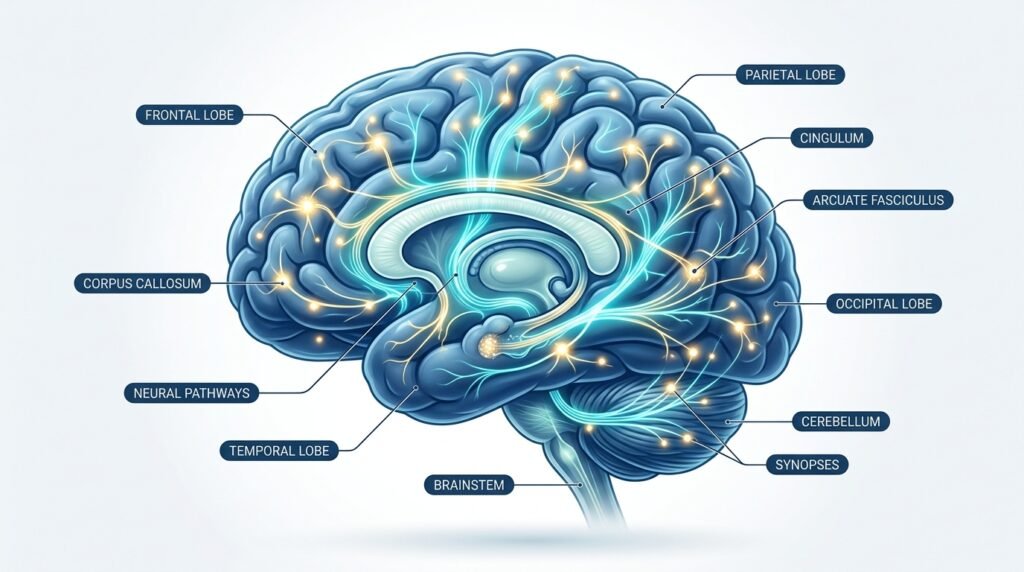
The early warning signs of a brain tumor commonly include new or changing headaches, unexplained nausea, vision issues, progressive numbness or weakness on one side of the body, and balance difficulties. These symptoms are caused by increased intracranial pressure or direct pressure on functional lobes of the brain.
While many of these symptoms can be caused by benign conditions, progressive or severe onset warrants prompt evaluation by a neurosurgery expert. Early detection is key for planning effective treatment regimens.
When Should You Consult a Neurosurgeon for Brain Symptoms?
You should consult a neurosurgeon immediately if you experience sudden and severe headaches, seizures, rapid cognitive or personality shifts, sudden loss of vision, or progressive muscle weakness. A specialist consultation facilitates advanced diagnostic imaging and precise treatment planning.
A neurosurgeon can help interpret MRI or CT brain scans, differentiate between benign and malignant lesions, and advise on surgical interventions or observational strategies to safeguard brain function.
Critical Neurological Signs to Monitor
- Changes in Headache Patterns: Headaches that wake you up, are worse in the morning, or worsen with coughing.
- Unexplained Seizures: The sudden onset of seizures in an adult with no history of epilepsy.
- Sensory and Motor Deficits: Subtle loss of coordination, difficulty speaking, or weakness in limbs.
Sign up for free class
It’s easy and free!